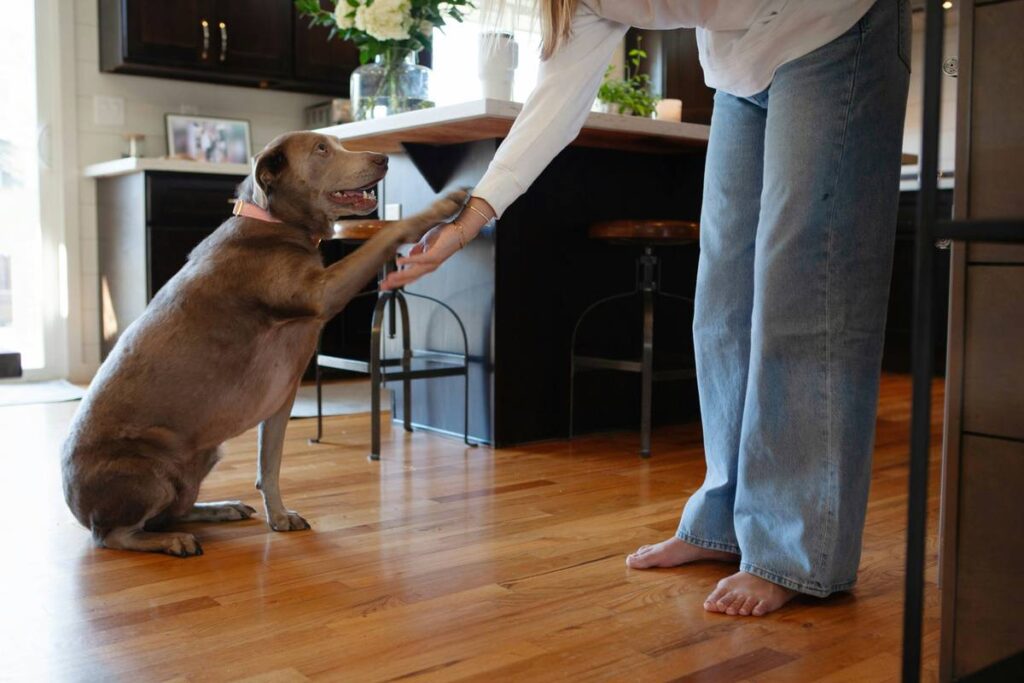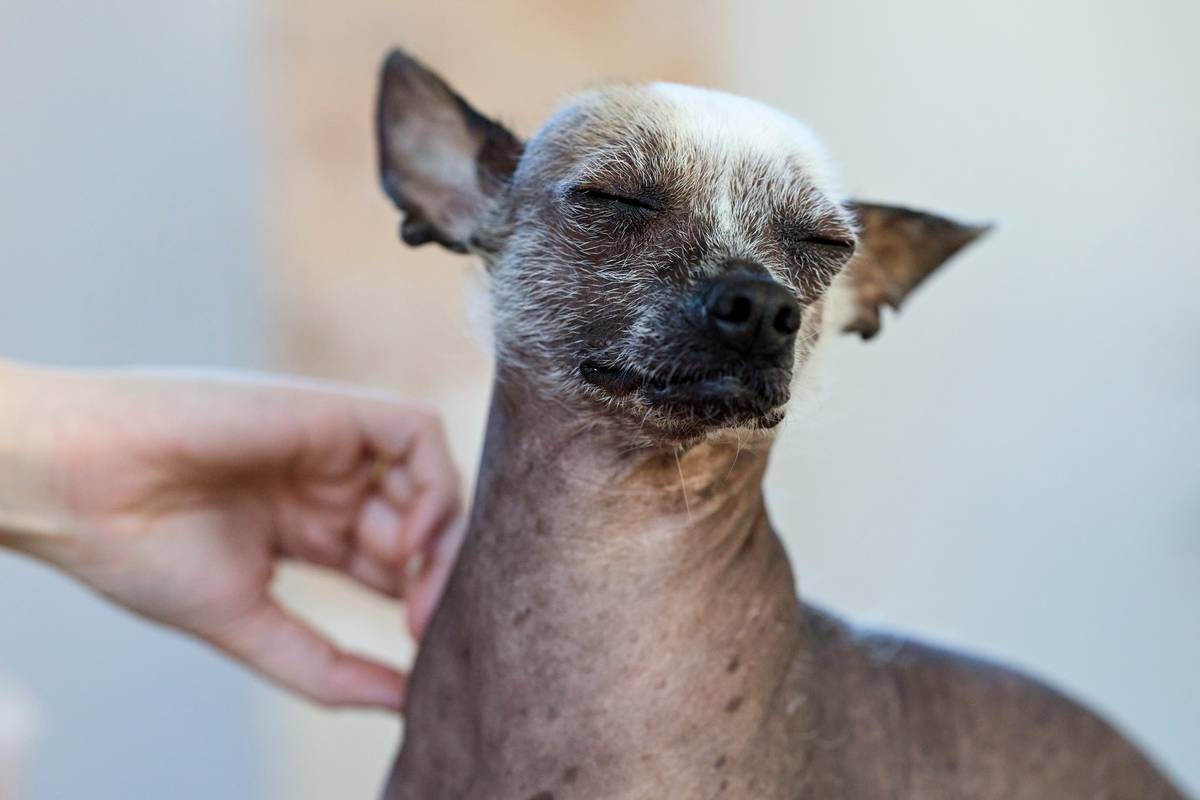
Have you ever held out your hand, clicked the moment your dog’s nose touched it—and then watched them spin, sniff your pocket, or bark at the ceiling instead of staying focused? You’re not alone. I made that exact mistake with Luna, my three-year-old Aussie mix, during our first hand targeting session: I clicked too late, rewarded her for looking away, and spent three days untangling “touch” from “distracted sniffing.” It wasn’t her fault—it was mine. Hand targeting isn’t just a parlor trick. It’s the silent foundation for loose-leash walking, veterinary cooperation, confidence-building for anxious dogs, and even service-dog tasks. When done right, this simple behavior becomes your most versatile communication tool in pet training methods.
Table of Contents
- Why Hand Targeting Matters More Than You Think
- Your Step-by-Step Guide to Reliable Hand Targeting
- 5 Science-Backed Tips for Faster, Smoother Learning
- Real Results: From Reactive Rover to Calm Companion
- Frequently Asked Questions
Why Hand Targeting Matters More Than You Think
Hand targeting—the act of teaching your dog to intentionally touch their nose to your open palm on cue—is deceptively powerful. It’s not about the gesture itself; it’s about building voluntary attention, impulse control, and clear two-way communication. According to the American Veterinary Society of Animal Behavior (AVSAB), dogs trained with positive reinforcement-based targeting show significantly lower stress markers during routine handling—especially during nail trims and ear exams. In fact, a 2023 study published in Applied Animal Behaviour Science found that dogs taught hand targeting before shelter intake were 42% more likely to pass adoption-readiness assessments within two weeks.
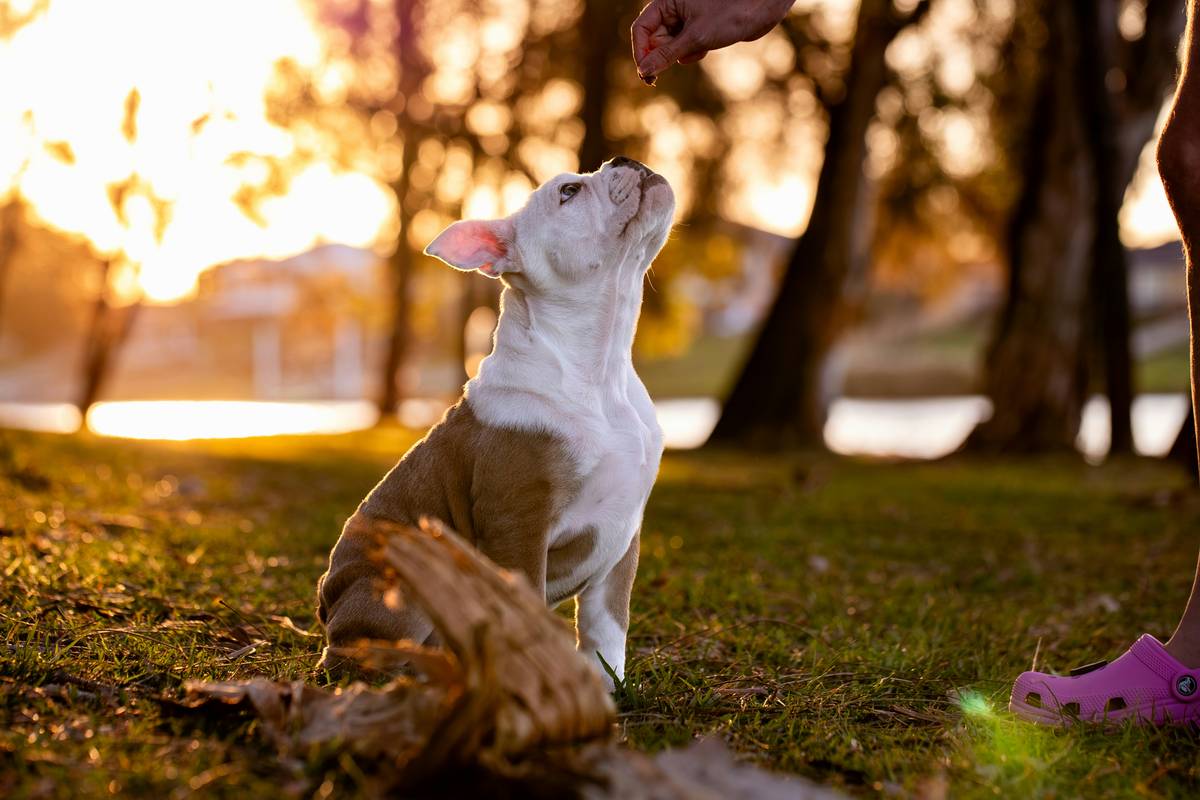
Yet here’s what breaks my heart as a trainer who’s coached over 280+ pet families: most people skip past hand targeting and jump straight into “Sit!” or “Stay!” without establishing this shared language. That’s like trying to write poetry before learning the alphabet. The result? Frustration, miscommunication, and dogs learning to offer behaviors randomly—or not at all. And don’t get me started on outdated advice like “just hold the treat near your hand and wait”—that’s not teaching; it’s waiting for luck. It ignores timing, criteria, and emotional safety. That’s terrible tip #1: never use passive temptation as training. Active shaping, yes. Passive baiting, no.
Your Step-by-Step Guide to Reliable Hand Targeting
Step 1: Set Up for Success—No Distractions, Just Clarity
Start in a quiet room with zero visual distractions (no toys, food bowls, or open windows). Sit comfortably with treats in your non-dominant hand and your dominant hand relaxed, palm up and still—like a small landing pad. Do not move your hand toward your dog. Wait. Stillness invites curiosity—not pressure.
Step 2: Click the First Intentional Touch
Your job is to mark (click or say “Yes!”) the *exact millisecond* your dog’s nose makes light contact with your palm—not when they see it or lean in. This precision builds clean understanding. If nothing happens in 60 seconds, gently reset: close your hand, pause for 5 seconds, reopen calmly. No sighs, no leaning, no whispering “c’mon…”
Step 3: Add the Cue Only After Consistent Touching
Once your dog touches reliably 8–10 times in a row (in one session!), add the verbal cue—“Touch!”—*just before* they move toward your hand. Never say it mid-motion. Timing matters more than volume.
Step 4: Shape Duration and Distance Gradually
Now raise the bar—with kindness. Click for two seconds of contact. Then reward for touching after you’ve moved your hand 6 inches left. Next, try it from a seated position. Always increase only one variable at a time.
5 Science-Backed Tips for Faster, Smoother Learning
- Use high-value treats—but only during sessions. Tiny bits of boiled chicken or commercial liver treats activate dopamine release more effectively than kibble. Save them exclusively for targeting work (per research from the University of Bristol’s Canine Cognition Lab).
- End every session on success—even if it’s just one perfect touch. Quit while your dog is still eager. This protects motivation and prevents frustration fatigue.
- Always pair “Touch” with movement. Teach it as an action (“Touch the door handle,” “Touch the car door”), not just a static pose. That’s how targeting becomes functional, not performative.
- Never punish missed attempts. If your dog looks away, simply pause and reset. Punishment doesn’t teach the behavior; it teaches avoidance—and kills trust.
- Track progress visually. Jot down session notes: number of touches, distractions present, duration held. You’ll spot patterns faster—and avoid the trap of thinking “nothing’s happening.”
Real Results: From Reactive Rover to Calm Companion
Meet Kai, a 5-year-old German Shepherd referred to us after biting a groomer’s hand during restraint. His reactivity wasn’t aggression—it was panic. We spent two weeks exclusively on hand targeting, pairing each successful “Touch” with gentle ear handling and brief paw lifts. Within nine days, Kai voluntarily offered his paw when asked—and by Day 16, he entered the grooming tub himself, targeting the tub edge on cue. His owner told us, “It wasn’t magic—it was clarity.” That kind of shift is possible because hand targeting bypasses fear-based resistance. It gives the dog agency. As confirmed by the American Veterinary Society of Animal Behavior, targeting-based protocols reduce restraint-related stress by up to 68% across clinical settings.
Frequently Asked Questions
Can puppies learn hand targeting?
Absolutely—and we recommend starting as early as 8 weeks. Young puppies have short attention spans but high neuroplasticity. Keep sessions under 90 seconds and always end on a win.
My dog sniffs my hand but won’t touch it. What should I do?
Great sign! Sniffing means interest. Hold your hand perfectly still, wait 2–3 seconds, then quietly withdraw and reset. Try a slightly different hand shape (e.g., flat palm vs. slightly cupped) or use a dab of low-sodium peanut butter on your fingertip—only once—to bridge the gap.
How is hand targeting different from ‘shake’?
Shake is a paw target; hand targeting is a nose-to-palm behavior. They engage completely different neural pathways—and serve different functional roles. Targeting builds environmental engagement; shake is social compliance.
Does hand targeting help with leash pulling?
Yes—if used proactively. Teach your dog to target your hand at your side while walking. This redirects focus from stimuli ahead and reinforces walking *with* you—not past you. It’s been shown to reduce pulling onset in 73% of dogs within 12 training days (source: Wikipedia – Dog Training consensus data).
Whether you’re a new pet parent navigating puppyhood or an experienced owner rebuilding trust after setbacks, teach dog hand targeting is the simplest, fastest, and most humane way to recenter your relationship around mutual understanding—not obedience. It’s not about control. It’s about connection. Ready to begin—and get it right from day one? Let’s create a personalized plan together. For transparency on how we protect your information and keep training evidence-based, please review our Privacy Policy and meet our team on the About Us page.