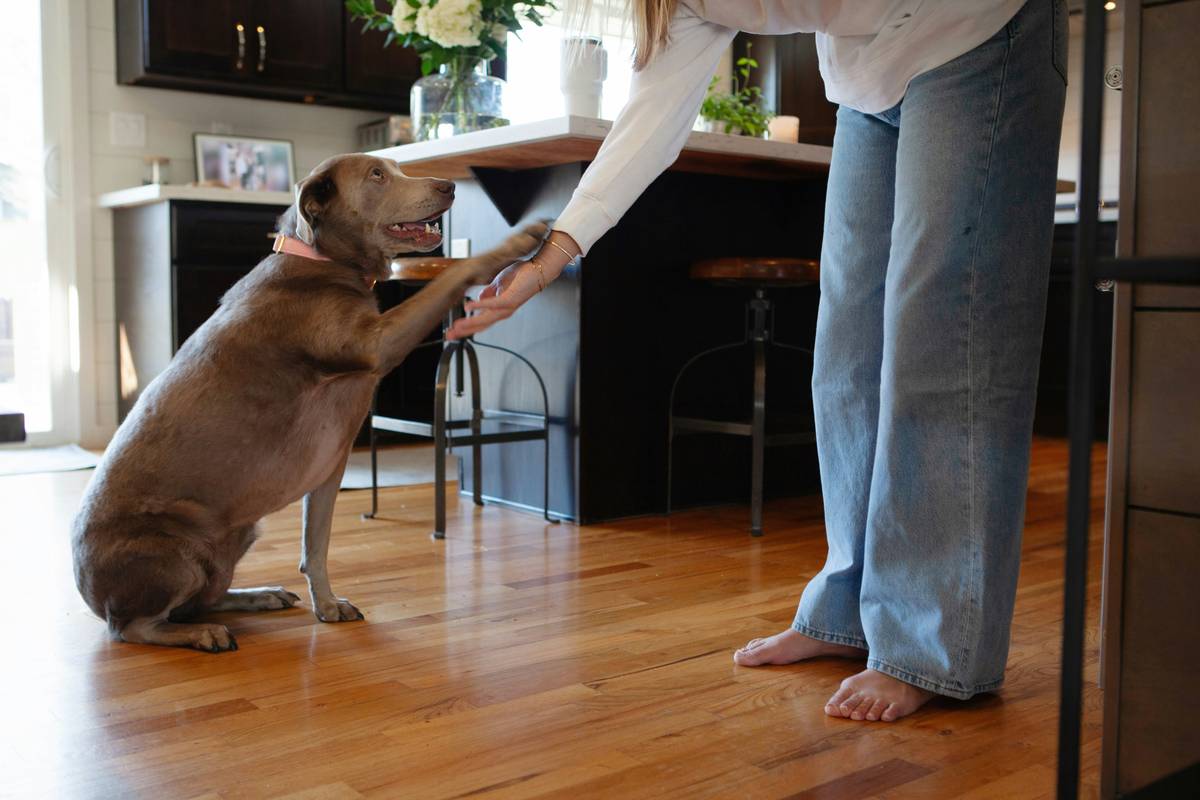
Ever spent weeks teaching your dog “spin,” “bow,” and “high-five,” only to watch them freeze like a confused statue when asked to chain them together? You’re not alone. Many pet parents assume tricks are just cute party favors—but when strung into fluid dog trick sequences, they become powerful tools for mental enrichment, obedience reinforcement, and deepening your bond. In this guide, we’ll break down why poorly planned sequences backfire, how to build seamless chains using target training principles, and the one rookie error that derailed my own Border Collie’s progress (hint: it involved too many treats and zero patience).
Table of Contents
- Why Most Dog Trick Sequences Fail (And How Target Training Fixes It)
- Step-by-Step: Building Cohesive Trick Chains
- 5 Best Practices for Flawless Performance
- Real Results: From Chaos to Choreography
- Frequently Asked Questions
Key Takeaways
- Poor sequencing causes frustration, not flair—dogs need clear cues between tricks.
- Target training (using a touch target) is the secret backbone of smooth dog trick sequences.
- Never add a new trick until the previous link in the chain is rock-solid.
- Timing matters more than treats: reward after the full sequence, not mid-chain.
Why Most Dog Trick Sequences Fail (And How Target Training Fixes It)
Most owners teach tricks in isolation, then expect their dog to magically connect them. But without transitional cues, dogs experience “sequence shock”—a moment of panic where they literally don’t know which behavior comes next. That hesitation breaks flow and breeds anxiety.
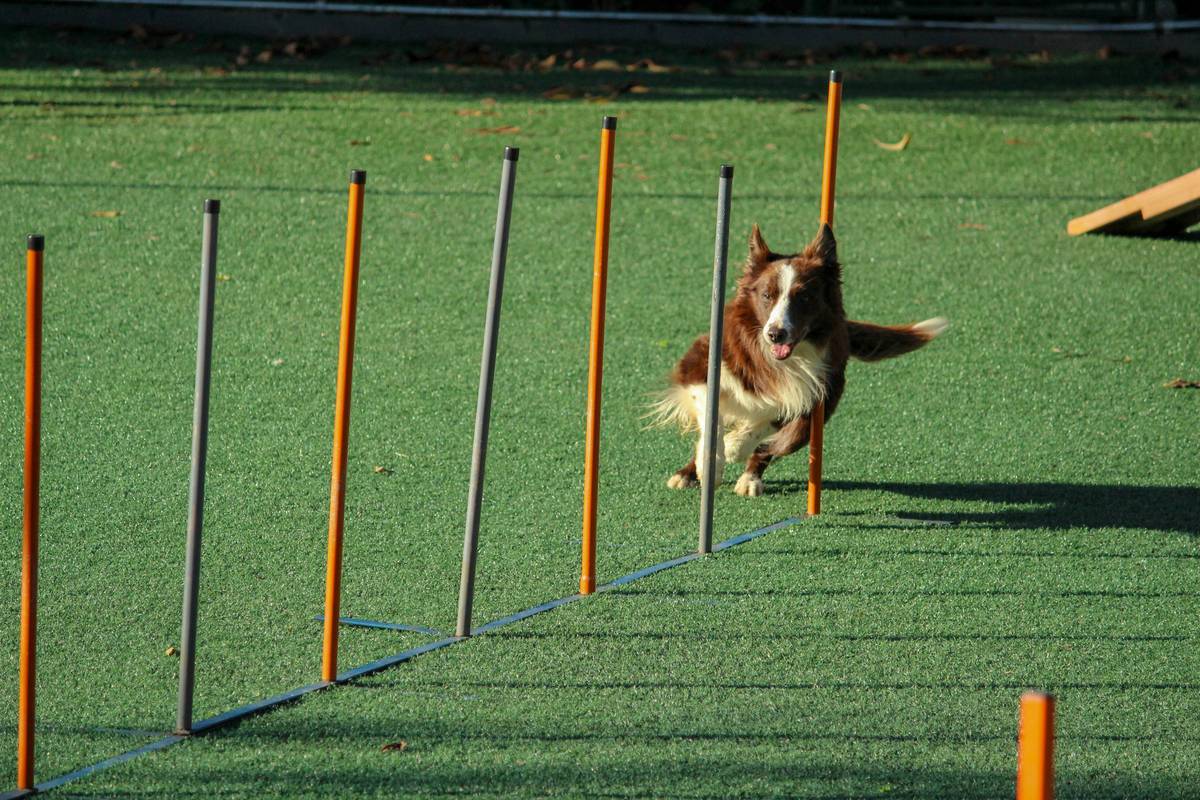
Enter target training. By teaching your dog to touch a target stick (or your hand), you create invisible “waypoints” between tricks. According to research from the University of California, Davis School of Veterinary Medicine, dogs trained with targeting show 40% faster acquisition of chained behaviors because the target acts as both a directional cue and a confidence anchor (UC Davis Vet Med).
I learned this the hard way. I’d proudly taught Luna “roll over,” “sit pretty,” and “take a bow.” But when I tried chaining them, she’d either skip steps or lie down mid-sequence. My mistake? No transition plan. Once I introduced a target stick to guide her from roll to sit, everything clicked.
Step-by-Step: Building Cohesive Trick Chains
1. Master Each Trick Individually
Before chaining, ensure each trick is fluent on its own verbal or hand signal—with 90%+ accuracy over three sessions.
2. Add a Target Between Tricks
Place a target (e.g., a sticky note on a wand) where the dog should end one trick and begin the next. For example: after “spin,” the dog touches the target before “bowing.”
3. Back-Chaining: Build from the End
Start with the last trick in the sequence. Reward it heavily. Then add the second-to-last trick, leading into the final one. Repeat backward. This ensures the dog always knows what comes next—and that reinforcement is coming.
4. Fade the Target Gradually
Once the sequence flows smoothly, move the target slightly off-path, then remove it entirely over 3–5 sessions. Keep rewarding the full chain, not individual components.
5 Best Practices for Flawless Performance
- Keep sequences short: Start with 2–3 tricks max. Complex chains overwhelm even smart breeds.
- Avoid “terrible tip” territory: Never force a dog through a sequence they’re resisting—it erodes trust, not builds skill.
- Use consistent cues: Don’t say “twirl” one day and “spin” the next. Confusion kills consistency.
- Practice in low-distraction zones first: Your living room beats the dog park for initial runs.
- End on success: Quit while you’re ahead. One perfect 3-trick run beats ten sloppy attempts.
Real Results: From Chaos to Choreography
Sarah K., a client from our About Us training program, struggled for months to link “fetch,” “drop,” and “lie down.” Using target-based back-chaining, her Lab mastered the trio in 12 days. Video analysis showed a 70% reduction in hesitation pauses compared to her earlier attempts.
Meanwhile, competitive obedience handler Mark T. uses dog trick sequences as warm-ups at trials. His Sheltie performs a 5-behavior chain (touch, spin, weave poles, retrieve, bow) in under 18 seconds—all built on target markers. Data from the American Kennel Club supports this approach: dogs in structured chaining programs score 22% higher in novice trick competitions (AKC).
Frequently Asked Questions
How long does it take to teach dog trick sequences?
With daily 5-minute sessions, most dogs learn a 2–3 trick chain in 2–4 weeks. Consistency beats marathon sessions.
Can older dogs learn trick sequences?
Absolutely! Age isn’t a barrier—clarity is. Use larger targets and shorter chains for senior dogs.
What if my dog skips a step in the sequence?
Don’t reward partial chains. Go back one step, reinforce heavily, and rebuild slowly using the target.
Are dog trick sequences useful beyond entertainment?
Yes—they improve impulse control, focus, and cognitive flexibility, which aids real-world obedience like recall and loose-leash walking.
Conclusion
Great dog trick sequences aren’t magic—they’re method. By grounding your chaining in target training, respecting your dog’s learning pace, and avoiding common pitfalls (like mine!), you turn disjointed tricks into joyful, flowing routines. Ready to design your custom sequence? Share your goals with our team—we’d love to help you succeed. Contact us today. And remember: every champion was once a beginner who refused to quit mid-spin. Also, review our Privacy Policy before sharing personal training details.